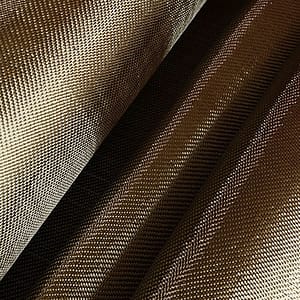
Unidirectional weave basalt fiber fabric is made from 1200tex basalt fiber yarn with high tensile strength and elastic modulus. It is a high-performance reinforcement material engineered for structural strengthening. By aligning continuous basalt filaments in a single direction, it provides maximum tensile capacity for civil engineering and restoration projects.
1. Raw Materials: The Volcanic Origin
-
Natural Basalt Rock: The fabric is manufactured from 100% natural volcanic basalt rock. The rock is melted at temperatures between 1450°C and 1500°C and extruded through platinum-rhodium bushings into continuous filaments.
-
Eco-Friendly Profile: Unlike glass or carbon fiber, basalt fiber production involves no chemical additives, making it a sustainable “green” material with a low carbon footprint.
-
Filament Specification: Typically utilizing 1200tex high-strength yarn, the fibers possess high tensile strength and an elastic modulus that bridges the gap between E-glass and Carbon fiber.
2. Weaving Technology: Unidirectional Precision
-
Structural Alignment: The primary load-bearing basalt yarns are oriented in the 0° (warp) direction.
-
Stabilizing Weft: A secondary, minimal amount of high-tenacity polyester or hot-melt adhesive yarn is used in the 90° (weft) direction to maintain the fabric’s integrity and flatness without affecting the longitudinal strength.
-
Sizing Compatibility: The fibers are treated with specialized coupling agents (sizing) that ensure superior chemical bonding with epoxy, vinyl ester, and polyester resin systems, facilitating the creation of a high-strength BFRP matrix.
3. Key Advantages
Superior Thermal Stability: With a service range from -260°C to 650°C, it remains stable in extreme environments where other fibers might fail or degrade.
CTE Matching: Its Coefficient of Thermal Expansion (CTE) is remarkably similar to concrete. This minimizes interfacial stresses caused by temperature fluctuations, preventing delamination over time.
Inherent Resistance: Naturally resistant to ultraviolet (UV) radiation, acids, alkalis, and salts, making it ideal for marine and chemical plant infrastructure.
Mechanical Efficiency: It offers significantly higher tensile strength than E-glass fiber at a much lower cost than carbon fiber, providing an optimal strength-to-cost ratio for seismic and structural retrofitting.
4. Primary Applications
Flexural & Shear Strengthening: Enhancing the load-carrying capacity of beams and slabs.
Seismic Retrofitting: Column wrapping (confinement) to improve ductility and prevent brittle failure during earthquakes.
Concrete Repair: Restoring the integrity of structures suffering from reinforcement corrosion or aging.
Infrastructure Life Extension: Strengthening of bridges, tunnels, and silos to meet modern safety codes.
5. Installation Procedure (Wet Lay-up)
Substrate Preparation:
Remove loose or deteriorated concrete until a sound substrate is reached.
Sandblast or grind the surface to remove laitance and contaminants.
Goal: The surface must be clean, dry, and show an open-pore structure.
Leveling & Priming:
Apply a primer to seal the concrete.
Use leveling epoxy to fill voids or smooth out irregularities.
Round off sharp corners (minimum radius of 20mm) to prevent stress concentration on the fiber.
Adhesive Application (Saturant):
Apply the first layer of impregnating resin to the prepared surface.
Fabric Placement:
Apply the pre-cut Basalt Fabric.
Use a plastic ribbed roller to roll in the direction of the fibers.
Critical: Ensure all air bubbles are expelled and the resin completely saturates the fiber bundles.
Final Coating:
Apply a second coat of resin to encapsulate the fabric.
If a decorative or UV-protective finish is required, apply it while the resin is still tacky or after appropriate surface preparation.
6. Critical Precautions & Notes
Fiber Orientation: Unidirectional fabric is “direction-sensitive.” Ensure the main fibers are aligned precisely with the direction of the tension calculated in the design.
Avoid Kinking: Never fold the fabric. Sharp bends or kinks can cause micro-fractures in the brittle filaments, severely reducing the tensile performance.
Full Saturation: The “matrix” only works if every filament is surrounded by resin. “Dry spots” are points of potential failure.
Environmental Limits: Do not install during rain or if the relative humidity exceeds 85%. Ensure the ambient temperature is within the resin manufacturer’s specified range (typically 5°C to 35°C).
Overlap Requirements: For longitudinal splicing, a minimum overlap of 200mm is generally required to ensure continuous load transfer.
Max™ basalt fiber fabric can be compatible with epoxy, vinyl, polyester and other resins on the market. After forming fiber-resin matrix( laminate),it behaves incredible mechanical performance and reinforcing effect on structures. It has been tested with high strength result in accordance with ASTMD3039 standard. It has the similar application steps as CFRP, used in structural strengthening, structural reinforcement, concrete repairs, seismic reinforcement.
Basalt fiber’s mechanical properties is better than glass fiber and lower than carbon fiber. Its price correspondingly lies between the other two. Because basalt fiber is directly made from melted lava rock without any additives, it has similar coefficient of thermal expansion as concrete, which results in better integration between the BFRP reinforcement and structural elements. Unidirectional basalt fiber fabric with different areal weight, width, roll length can be customized for your specific project requirement.